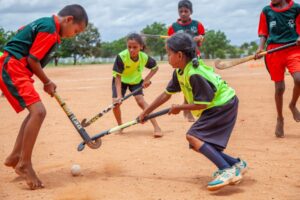
When the Simply Sport Foundation (SSF) was launched in 2020, it began as an audacious experiment: could a single organisation truly become a catalyst for grassroots sports in India, ensuring inclusion, equity, and holistic development for athletes underserved by the mainstream system? Five years later, this belief has matured into a movement championed by milestones and transformative partnerships, touching more than 22,000 athletes and coaches nationwide. But more valuable than the numbers are the lessons, the hard-won insights that now shape our strategy and our soul. This article on five core learnings from SSF’s journey, offering a blueprint for emerging organisations committed to making India’s sporting ecosystem vibrant and just.
1. Grassroots Sports Needs More Than Money
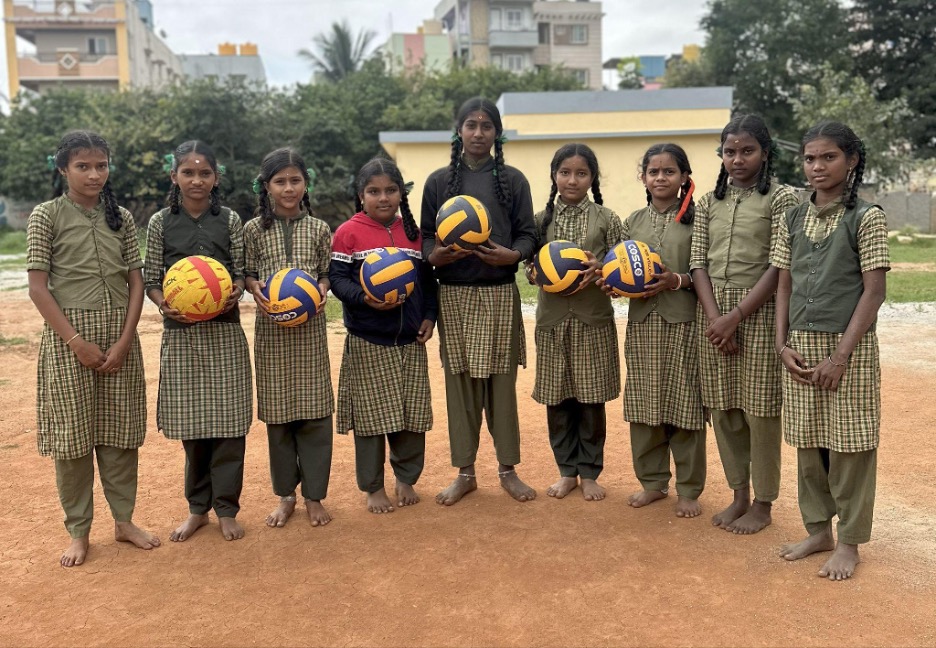
Funding is the fuel that keeps the engine of grassroots sport running, yet, as SSF’s journey has shown, financial support alone is not enough. In every village, town, and urban slum, there are talented, passionate children, many of them girls, hungry for opportunity but starved for resources. Despite the introduction of mandatory Corporate Social Responsibility (CSR) spending for eligible companies and the gradual increase in investments, only a fraction reaches true grassroots initiatives, often leaving vast pockets of young athletes without access to even the basics.
Beyond the Rupee: The Role of Mentorship and Ecosystems
What our work has revealed is the difference between intervention and impact. SSF’s involvement in grassroots sport—through grants, scholarships, skill development programs, and health workshops—made it clear that the real catalysts of change are not just rupees invested but relationships and mentoring. For example, our partnerships with grassroots academies and NGOs deliver not only equipment and tournament entry fees but direct engagement: mentorship, expert coaching, access to competitions, and a nurturing ecosystem. The magic happens when a child registers her first win in a district tournament or leads her team to a state medal—moments that money alone cannot buy. These victories arise from exposure, continuous encouragement, and access to quality, not just quantity.
The Funding Gap
Still, the funding gap is real. Many talented communities still self-fund critical aspects—from kits to travel. Equipment is reused, and nutrition is often what the family can spare. SSF’s $1 million+ in direct and indirect support in various areas over five years has been a lifeline, but the scale of need is overwhelming. Our partnerships model at the grassroots level has paved new pathways but also highlighted how thinly resources are spread.
True impact at the grassroots is a function of mentorship, structured exposure, accessible competitions, and holistic well-being. Financial support unlocks the door, but it is what happens inside that builds champions.
2. Inclusion: A Non-Negotiable Responsibility
Inclusion in sport cannot be a slogan—it is a moral, strategic, and societal imperative. The gender gap in India’s grassroots sport is a persistent reality, rooted in deep socio-cultural barriers, economic hardships, and stifling stereotypes. Barefoot girls on rural fields, teenage athletes skipping tournaments due to menstruation, mothers-turned-coaches lacking formal training—these are not anecdotes, but the background against which SSF decided to construct a female-first, equity-driven organisation.
Creating Opportunities: The SSF Approach
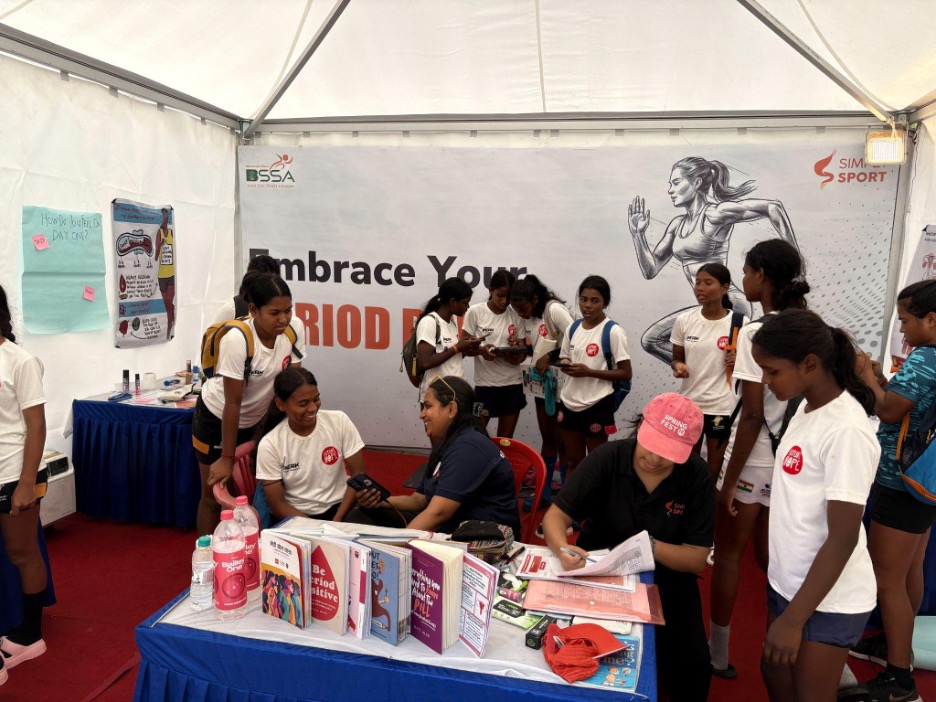
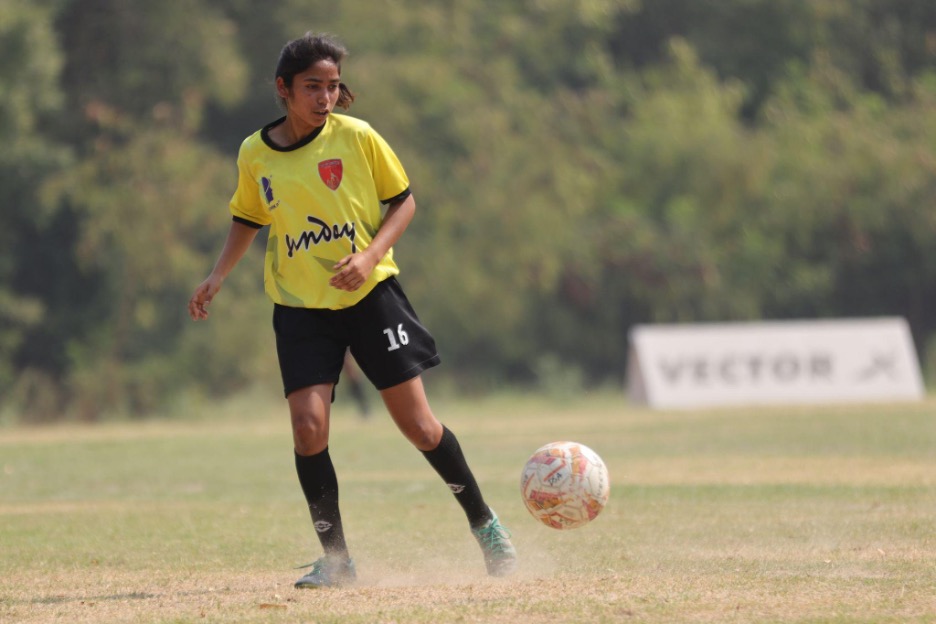
SSF’s answer was to build deliberate safe spaces, role models, and opportunities for girls—through scholarships, menstrual health programs, nutrition workshops, and structured tournaments catering to female participation. Our network now empowers over 14,200 athletes through 22 communities, boasting more than 8,000 women and girls reached via the Women’s Health Program and over 200 educational workshops.
Our leadership reflects our intent: 75% women, with strong representation at the decision-making level. SSF didn’t merely “include” girls; it reoriented the entire foundation with female participation and leadership as a core outcome. We took bold steps, such as offering education scholarships, financial support, making menstrual health and female nutrition cornerstones of our training modules. As a result, girls from our ecosystem have improved performance, and dropout rates are falling—a testament to what intentional inclusion delivers.
Inclusion Is Cultural
Inclusion is not achieved solely by removing physical or financial barriers. It must be woven into values, safety protocols, curriculum, and the recruitment of role models. SSF’s Women Health initiative—tailored health literacy, alongside our collaborations with academies and federations—has helped normalise conversations about menstruation, mental health, nutrition and building resilience in sport.
Inclusion and the Future
SSF’s mission over the next five years is to codify these models, ensuring inclusion is not just a goal but the default operating principle of every Indian sports institution.
3. Collaboration Amplifies Impact
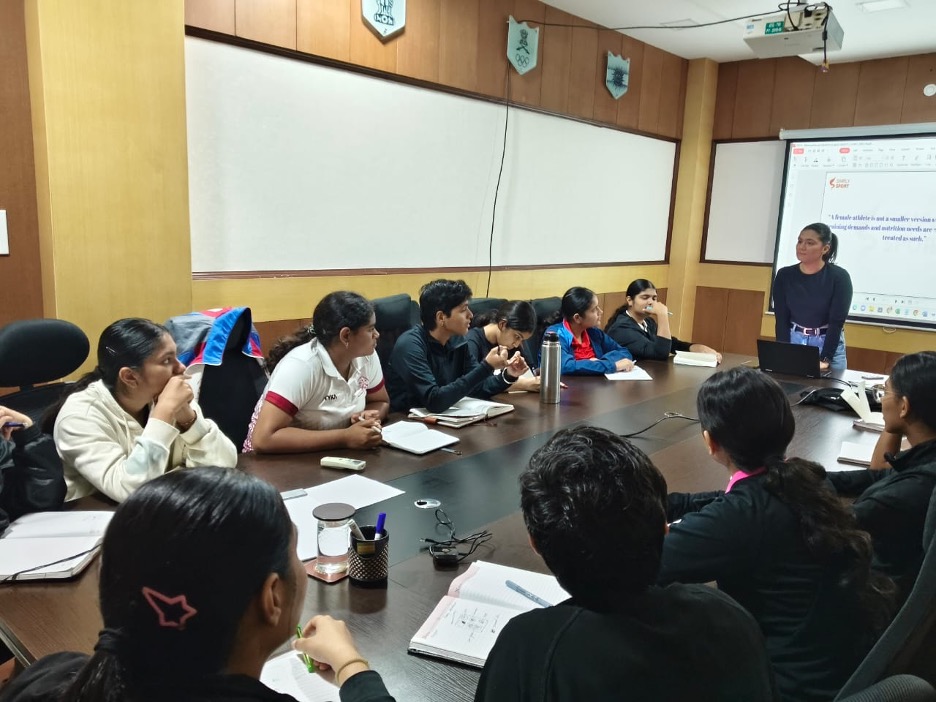
One of SSF’s most pivotal insights is that lasting change in grassroots sports is impossible in silos. The most remarkable breakthroughs—and the fastest scaling of impact—have come from building coalitions with clubs, state governments, corporates, federations, and other non-profits.
Our Partnership Model
From our earliest days, SSF sought out organisations with roots in local communities—partnering initially with pioneers like Khelo Rugby, Mrida and now with over 13 major sports communities, a dozen of corporate CSR partners, and leading sports governing bodies. Our partnership with Badminton World Federation took our women’s health initiative global, while our collaboration with State governments, Reliance Foundation and Sports Authority of India pushed menstrual health and athlete welfare to the policymaking level.
CSR and public-private partnerships have been essential in bridging resource gaps. More than 22,000 athletes and coaches have benefited from these coalitions—proof that when expertise, infrastructure, and aspirations combine, the whole is truly greater than the sum of its parts.
The Critical Role of Government
No grassroots movement can scale nationwide without aligning with government machinery. SSF’s interventions in Bihar, its involvement in creating India’s first state women athlete wellness policy, and regular collaboration on state and district-level tournaments demonstrate that access and reach are exponentially amplified via government channels.
Working with government ensures:
– Widespread access and standardisation of support.
– Ability to influence policy and resource allocation.
– Scaling proven grassroots models to thousands, not just hundreds.
Breaking Down Silos
NGOs, private enterprises, and government agencies need shared outcomes and open communication. SSF’s learning: pursuing exclusivity often leads to missed opportunities for scale and sustainability. Collaboration is not just recommended—it is the only model that multiplies impact.
4. Investing in “Life Beyond Sport”
Athletes are more than medals. Over and over, SSF has witnessed talented young people losing their way when their competitive careers stalled or ended. The afterlife of an athlete in India is fraught with uncertainty—absent a robust system to support career transitions, soft skills, digital or financial literacy, or even basic mentorship for post-sport life.
The Skilling Imperative
SSF’s Skilling Program has emerged as a game-changer, equipping athletes with skills relevant not just to sport but to every facet of professional and personal growth. From digital literacy to entrepreneurship, financial management to leadership, our alumni have moved into coaching, refereeing, higher education, and even entered the corporate sector—with four female athletes interning at Godrej Consumer Products in 2025.
Preparing for Change
Research and lived experience show that too many athletes face anxiety, identity crises, and loss of community once their playing days end. SSF’s Pivot program aims to arm them early with self-awareness, planning skills, and a broad sense of possibility. The message is simple: a life in sport is a foundation for broader societal impact, and upskilling must start while athletes are still active.
5. Change Takes Time and Consistency
Perhaps SSF’s most profound lesson is the stubborn reality that transformation at the grassroots is painstakingly slow. There are no quick wins. The most important asset is consistency: showing up—day after day, workshop after workshop, match after match—irrespective of setbacks or slow progress.
The Long View
It is tempting to focus on laurels or look for sudden leaps in numbers, yet the true measure of impact lies in stories of children who stick with their sport, girls who choose to compete again after a menstrual health intervention, or communities that establish their own tournaments. The biggest shift emerges not over months but through years of “compounding impact”.
SSF has hosted over 250 workshops, supported more than 14,000 athletes through direct grassroots engagements, and regularly adapts its models to fit the evolving needs of Indian society. We have learned that success is about persistence—believing in the long-term vision, tracking the small victories, and supporting communities to own and lead their development.
Key Data Points and Impact Snapshots
– 22,000+ athletes and coaches directly impacted in five years.
– 8,000+ girls and women reached through women’s health programs.
– 14,200 athletes supported through direct grassroots interventions in 22 communities.
– More than 250 workshops and capacity-building sessions delivered.
– Launched and scaled menstrual health, nutrition, and mental health modules focusing on unique needs of female athletes.
– Alumni of the Skilling Program coaching, refereeing, qualifying for state camps, and entering the corporate world.
– Girls’ teams scaled up to state medals; female participation grew 10% year-on-year among grant partners.
– Leadership team is 75% women, signalling intent and impact.
– Influenced policymaking at the state level for female athlete wellness and safeguarding.
Looking Ahead: Lessons for New Foundations and Stakeholders
SSF’s first five years are a chapter in a much larger book; true impact at the grassroots cannot be realised in a single half-decade. For the next generation of foundations and sports NGOs, our journey offers crucial pointers:
– Prioritise sustained presence and consistency over “one-shot” interventions.
– Build coalitions—across state, private, non-profit, and academic actors.
– Make inclusion the baseline, not the bonus.
– Invest as much in mentorship, skilling, and psychological resilience as in facilities and kits.
– Keep the long-term vision alive, knowing real transformation is a marathon, not a sprint.
– Document, codify, and share models—SSF has published five knowledge resources to date—not just celebrating, but offering blueprints for scale.
Conclusion: The Road Calls for More Champions
SSF’s journey is, above all, a tribute to the belief that India’s sporting future is built on the dreams of every village athlete, every girl with a racquet, every community game won against the odds. Our learnings underscore that the mission is larger than any one organisation. The movement for inclusive, holistic, and effective grassroots sport needs more champions, more investment, more allies. Impact at scale calls for the enduring patience of the marathon runner and the collaborative spirit of the relay.
As we look to the next five years and beyond, SSF’s call to action is clear: join, partner, amplify, and persist. Whether you are an emerging non-profit, a government decision-maker, a corporate CSR head, or a passionate changemaker at the grassroots—let’s build a sporting nation where every child’s ambition is matched by opportunity, support, and celebration.
The real scoreboard of impact will be written not just in five-year blocks but in generations of empowered, confident, and thriving young Indians. We are just getting started.
Author:
Darshan NK
Darshan brings a strong foundation in sports management and has worked across multiple areas of the sports industry. Deeply committed to advancing sport at the grassroots and beyond, he is also an enthusiastic football supporter. He currently leads Programs and Partnerships at the Simply Sport Foundation.